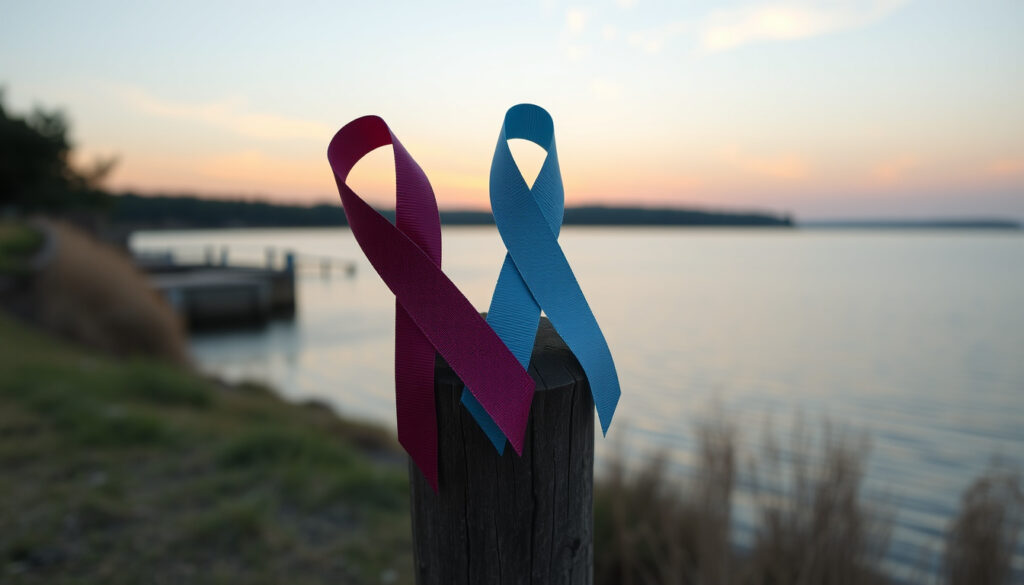
Men’s Mental Health Month: Two Campaigns, One Mission
Few awareness campaigns pull in two directions at once, but Men’s Mental Health Month does exactly that. Depending on where you live, the same mission to support men’s mental health might fall in June or November – and the two observances carry different histories, goals, and fund-raising engines. Here’s the unvarnished guide to what’s happening, when, and why that split exists, with the hard data to back each claim.
Men’s Mental Health Awareness Month observed in: June and November (separate campaigns) ·
Lifetime prevalence of mental health conditions in men: 1 in 8 ·
Men’s suicide rate vs. women’s (US): 3.5x higher ·
Men’s Health Month established by: U.S. Congress in 1994 ·
No-Shave November fundraising for men’s health: over $10 million raised since 2009
Quick snapshot
- June is Men’s Health Awareness Month in the US (Men’s Health Month Toolkit 2025)
- No-Shave November is a men’s health fundraiser (Healthline)
- Men have higher suicide rates than women – 3.5× in the US (NAMI)
- The 3-3-3 rule is a grounding technique for anxiety (Healthline)
- Exact number of men who participate in No-Shave November annually
- Whether official government bodies recognize a second men’s mental health month in November
- 1994: US Congress declares June Men’s Health Month (Men’s Health Network)
- 2009: No-Shave November founded by the Hill family (Healthline)
- June 2024: Men’s Health Week in Ireland (June 10-16) (Men’s Health Network)
- 2026: Upcoming Men’s Mental Health Month (June and November) (Men’s Health Network)
- June 2025: Men’s Health Month toolkit focused on closing the “Empathy Gap” (Men’s Health Month Toolkit 2025)
- November 2025: Mates in Mind campaign targeting UK workplaces (Mates in Mind)
The two awareness windows share a mission but diverge in geography, origin, and practical emphasis. Here are the key facts at a glance.
| Item | Detail |
|---|---|
| Men’s Mental Health Month (US) | June |
| No-Shave November (global) | November |
| Men’s lifetime mental health condition prevalence | 1 in 8 |
| Male suicide rate vs. female (US) | 3.5x higher |
| Men’s Health Week (Ireland) | June 10-16, 2024 |
| Men’s Health Month 2025 theme (US) | Closing the “Empathy Gap” |
| UK Men’s Health Awareness Month 2025 | November, better known as Movember |
| No-Shave November since | 2009 |
| Men who have struggled with mental health (UK) | 50% |
| Men who hid mental health from partners (UK) | 37% |
| Men not knowing where to seek support | 30% |
| Employees citing stigma around men’s mental health (UK) | 65% |
Is It Men’s Mental Health Month?
The short answer is yes – but the calendar depends on where you look. In the United States, June is recognized as Men’s Health Month, with a strong mental health component promoted by organizations like NAMI (National Alliance on Mental Illness). In the United Kingdom and across much of Europe, November takes the lead under the Movember banner, which began as a moustache-growing fundraiser and evolved into a broader men’s health awareness campaign focused on mental health and suicide prevention.
Understanding the two awareness periods
- June (US): Officially designated Men’s Health Month by U.S. Congress in 1994, promoted by the Men’s Health Network (health advocacy organization). The 2025 toolkit theme centers on closing the “Empathy Gap” in men’s health.
- November (UK/global): Movember and No-Shave November raise funds for men’s mental health and cancer charities. Mates in Mind (UK workplace mental health charity) explicitly treats November 2025 as Men’s Health Awareness Month with a mental health focus.
- Both months: Healthline (health information publisher) notes that both June and November are popularly used for men’s mental health awareness, but “not every country recognizes June as Men’s Mental Health Awareness Month.”
Men’s mental health gets two windows of exposure per year – but the split between June and November can breed confusion. A man searching for “Men’s Mental Health Month” in June might find US-focused resources, while his UK counterpart in November finds a completely different set of campaigns. A unified global calendar could amplify the message; the current two-track system dilutes it.
Why Is Men’s Mental Health Month Overlooked?
Despite having two dedicated months, men’s mental health awareness still lags behind comparable campaigns. The reasons run deep into cultural norms, data gaps, and the structure of the campaigns themselves.
Stigma and societal expectations
- Mates in Mind (UK workplace mental health charity) reports that 65% of employees believe stigma around men’s mental health remains strong.
- 37% of UK men admit actively hiding their mental health issues from their partners, per data from the same source.
- Only 50% of men who have struggled with mental health have sought medical advice, even though 50% of men report experiencing mental health difficulties at some point.
Underreporting and low help-seeking behavior
- 29% of men said they did not know where to turn for advice or support, according to Mates in Mind.
- Men are nearly four times more likely to die by suicide than women, according to NAMI.
- The “Empathy Gap” – the theme of the 2025 Men’s Health Month toolkit – highlights that men’s health issues receive less public empathy and funding than women’s health campaigns.
Two awareness months are meaningless if the underlying data does not move. Men are dying by suicide at 3.5 times the rate of women, yet fewer than half who need help seek it. The campaigns exist; the behavioral change is still missing. For a man struggling today, a Facebook post may not feel like a lifeline.
Do Men Have Two Mental Health Months?
Yes, and the differences are sharper than most people realize. June and November target different audiences, use different fund-raising models, and carry different official designations.
June: Men’s Health Awareness Month
- Origin: U.S. Congress declaration in 1994 (Men’s Health Month Toolkit 2025)
- Scope: Covers physical and mental health (heart disease, cancer, mental health conditions)
- Key advocates: NAMI, Men’s Health Network, CDC
- 2025 Theme: Closing the “Empathy Gap”
November: No-Shave November / Movember
- Origin: Grassroots – the Hill family founded No-Shave November in 2009 in memory of their father who died of colorectal cancer (Healthline)
- Scope: Cancer awareness and men’s mental health, with donations directed to charities
- Key advocates: Movember Foundation, American Cancer Society, Mates in Mind
- Fund-raising model: Participants grow beards and get sponsored; over $10 million raised since 2009
The implication: A man seeking help could land in either month and get a radically different experience depending on where he lives.
What Is the 3-3-3 Rule in Mental Health?
When anxiety hits, the 3-3-3 rule is a simple grounding technique that men who avoid complex therapy can use anywhere. It works by forcing the brain to shift from abstract worry to concrete sensory input.
How to use the 333 rule for anxiety
- Name 3 things you can see in your immediate environment
- Name 3 sounds you can hear right now
- Move 3 parts of your body (wiggle fingers, roll shoulders, tap a foot)
Effectiveness for men with anxiety
- The technique is simple enough to use without a therapist – a plus for men who avoid seeking professional help (Healthline (health information publisher))
- It is a grounding technique, not a treatment – but for someone in the middle of a panic attack, it can buy time
- Because it requires no preparation or medication, it is accessible to any man at any moment
The 3-3-3 rule is a first-aid tool, not a cure. For men coping with chronic anxiety or depression, it is a stopgap. The real casualty of the stigma around men’s mental health is that many men never move beyond the stopgap to get professional support.
What Are the Top 3 Men’s Health Issues?
The Mayo Clinic (academic medical center) names heart disease, cancer, and mental health conditions as the three leading threats to men’s health. Each of these issues is addressed by the awareness campaigns in June and November.
Mental health conditions in men
- Men are nearly four times more likely to die by suicide than women, per NAMI
- 1 in 8 men will experience a mental health condition at some point in their lifetime
- Depression in men often manifests as irritability, anger, or physical symptoms – not sadness – which leads to underdiagnosis
Physical health concerns: heart disease, cancer
- Heart disease is the leading cause of death for men in the US (CDC (U.S. public health agency))
- One man in five dies before the age of 65, according to Mates in Mind
- Prostate cancer and testicular cancer are leading cancer-related deaths among men
How awareness months address these
- June’s Men’s Health Month promotes preventive care – annual checkups, screening, and lifestyle changes
- November’s Movember and No-Shave November fund research and support services for prostate cancer, testicular cancer, and men’s mental health
- Both campaigns push men to “know the numbers” – blood pressure, cholesterol, and mental health self-assessments
The pattern: physical health gets concrete screenings and fund-raising, while mental health often remains the afterthought in both months.
Why Do Men Not Shave in November?
No-Shave November started in 2009 when the Hill family, grieving their father’s death from colorectal cancer, decided to use facial hair as a conversation starter. The idea: instead of shaving, participants donate the money they would have spent on razors and grooming to cancer and mental health charities.
History of No-Shave November
- Founded in 2009 by the Hill family (Healthline)
- Originally focused on cancer awareness, later expanded to include men’s mental health
- Over $10 million raised since inception, according to the official campaign
How beard growing raises awareness and funds
- Participants grow a beard (or any facial hair) for the full month
- They ask friends and family to sponsor their “razor-free” period
- Funds support charities including the American Cancer Society and men’s mental health organizations
Connection to men’s mental health
- As mental health awareness grew after 2015, No-Shave November added suicide prevention and mental health support to its mission
- Facial hair serves as a visible cue – a stranger’s beard becomes an opening for a conversation about men’s health
- Mates in Mind (UK workplace mental health charity) runs workplace campaigns in November specifically targeting mental health stigma
How to support men’s mental health awareness all year
- Donate: To Movember Foundation (Movember charity) or No-Shave November
- Volunteer: With NAMI’s Men’s Health Month initiatives
- Speak: Use the 3-3-3 rule to help a friend through an anxiety attack
- Check in: Ask a male friend directly – “How are you, really?” – and wait for the real answer
- Read: Resources from Samaritans (suicide prevention charity), Mental Health Ireland (national mental health charity), and NAMI (National Alliance on Mental Illness)
reviveresearch.org, revivalresearch.org, keep-your-head.com, centralctbehavioralhealth.com
Frequently asked questions
What colors represent Men’s Mental Health Month?
Blue and teal are commonly associated with men’s mental health awareness. The color for Men’s Health Month in June is typically blue, while Movember uses blue and white. There is no single official color for men’s mental health specifically.
How can I participate in Men’s Mental Health Month?
You can join events hosted by NAMI, Men’s Health Network, or local mental health organizations. Donate to No-Shave November or Movember, grow a beard in November, share resources on social media, or simply check in on the men in your life. The 2025 Men’s Health Month toolkit provides specific action steps.
Is Men’s Mental Health Month the same as Men’s Health Month?
Not exactly. Men’s Health Month in June covers all aspects of men’s health – physical, emotional, and mental. Men’s Mental Health Month is a subset that focuses specifically on mental health conditions, suicide prevention, and stigma reduction. In November, Movember and No-Shave November prioritize mental health alongside cancer awareness.
Why is men’s mental health important in the workplace?
Men make up a significant portion of the workforce, and untreated mental health conditions lead to lost productivity, absenteeism, and increased health care costs. Mates in Mind reports that 65% of employees recognize strong stigma around men’s mental health in professional settings. Workplaces that normalize mental health conversations see better retention and lower burnout.
Who started Men’s Mental Health Month?
There is no single founder. The U.S. Congress declared June Men’s Health Month in 1994, largely driven by the Men’s Health Network (advocacy organization). The November awareness window grew from the grassroots No-Shave November founded by the Hill family in 2009 and the global Movember campaign started earlier in 2003.
Does Men’s Mental Health Month include transgender men?
Inclusive campaigns from NAMI and Mental Health Ireland explicitly welcome transgender men and non-binary individuals assigned female at birth who identify as men. The mission is to support all men, regardless of assigned sex, and to address the unique mental health challenges faced by trans men.
Are there official events for Men’s Mental Health Month in 2026?
Yes. June will see Men’s Health Month activities promoted by NAMI and Men’s Health Network. November will bring Movember campaigns and No-Shave November fund-raisers. Specific events for 2026 will be announced in early 2026 on the official campaign websites. Mark your calendar for both windows.
For the man reading this article, the choice is not about which month is “real.” It is about whether the awareness campaign translates into action when someone you know – yourself included – needs a reason to speak up. The campaigns exist in June and November. The real work happens in every month between them. If you are struggling: call or text 988 in the US (Suicide & Crisis Lifeline (US crisis response)), or reach 116 123 for Samaritans (UK and Ireland suicide prevention charity). That number is available 24/7, regardless of the month.
More related posts
 Bradley Wiggins: Knighthood to Bankruptcy & Recovery
 Lloyds Pharmacy Near Me: Stores, Locator & Ireland Guide
 Amber Heard Baby Father: Who Is Oonagh Paige’s Dad?
 Cardigan Black: Complete Styles, Shopping & Styling Guide
 Dominic Fike: Why he left Euphoria, sobriety & UK ban
 Khloe Kardashian: Kids, Health, Marriage & Key Facts
 Laura Kuenssberg: Biography, Husband, Career & Sunday Show
