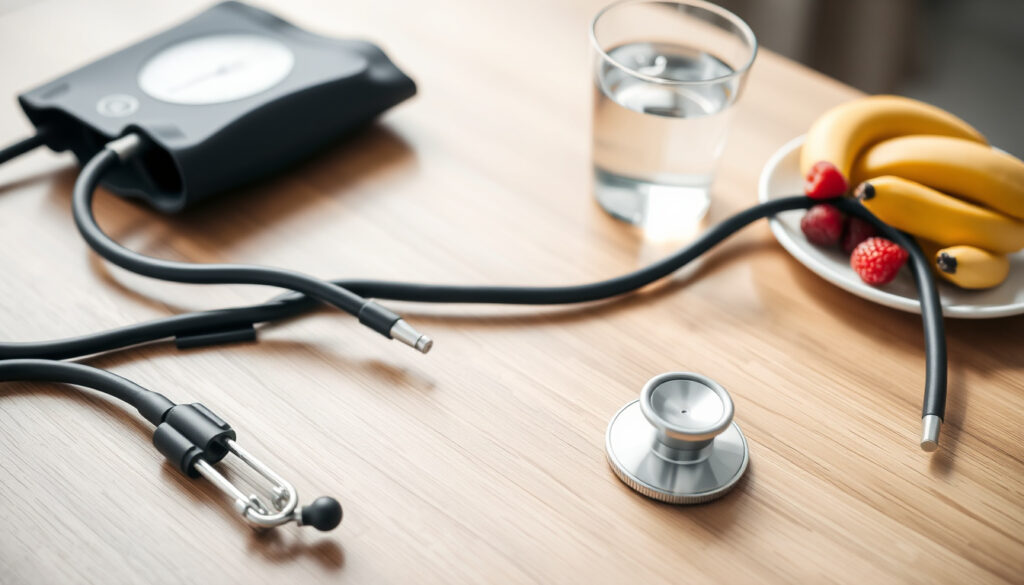
High Blood Pressure Treatment: 7 Steps to Lower BP
If you’ve ever watched your blood pressure numbers climb on the monitor, you’re not alone: nearly half of U.S. adults have hypertension, yet many don’t know the first step to take. This guide walks through the thresholds, causes, and daily strategies that actually work—backed by the latest guidelines from the CDC, the American Heart Association, and leading medical institutions.
U.S. adults with hypertension: approximately 47% (CDC) ·
Optimal blood pressure reading: below 120/80 mm Hg (AHA) ·
Stage 1 hypertension threshold: 130/80 mm Hg (ACC/AHA) ·
Lifestyle change success rate estimate: 5–10 mm Hg systolic reduction (AHA) ·
Stroke-level pressure threshold: 180/120 mm Hg or higher (AHA)
Quick snapshot
- Weight loss if overweight (5–10% body weight can lower 5–10 mm Hg) (Harvard Medical School)
- Regular aerobic exercise (150 min/week) (CDC)
- DASH diet: fruits, vegetables, whole grains, low-fat dairy (PMC Review)
- ACE inhibitors: relax blood vessels (CDC)
- Calcium channel blockers: widen arteries (CDC)
- Diuretics: remove excess fluid and sodium (CDC)
- Readings 180/120 or higher require immediate medical attention (AHA)
- Symptoms: severe headache, chest pain, vision changes (AHA)
- Do not self-medicate; call emergency services (AHA)
Five key numbers that define how doctors and patients navigate blood pressure treatment:
| Category | Value |
|---|---|
| Normal blood pressure | Less than 120/80 mm Hg |
| Hypertensive crisis | 180/120 mm Hg or higher (seek emergency care immediately) (AHA) |
| Medication response time | Several hours to weeks; not immediate (PMC Review) |
| DASH diet effect | Can lower systolic BP by 8–14 mm Hg (PMC Review) |
| Lifestyle plus medication | Most effective combined approach (AMA) |
What blood pressure is too high?
The numbers on the cuff tell a story. Blood pressure readings have two parts: systolic (top number) and diastolic (bottom number). The American Heart Association defines normal as below 120/80 mm Hg. Stage 1 hypertension starts at 130/80 mm Hg, a threshold set by the ACC/AHA guidelines in 2017.
- Normal: less than 120/80 mm Hg (AHA)
- Elevated: 120–129 / less than 80 mm Hg
- Stage 1 hypertension: 130–139 / 80–89 mm Hg (PMC Review)
- Stage 2 hypertension: 140 or higher / 90 or higher
- Hypertensive crisis: 180/120 mm Hg or higher — requires immediate emergency care (AHA)
The pattern: Most people with elevated readings don’t feel any symptoms. That’s what makes hypertension a silent threat — the numbers can climb for years before a stroke or heart attack forces the issue.
Understanding blood pressure readings
Think of systolic pressure as the force when the heart pumps, diastolic as the pressure between beats. A single high reading doesn’t mean hypertension — doctors average multiple measurements over time.
Stage 1 and Stage 2 hypertension criteria
Stage 1 (130/80) triggers lifestyle changes and, for some, medication. Stage 2 (140/90) almost always requires medication alongside lifestyle adjustments (Harvard Medical School).
When to seek emergency care
If your reading hits 180/120 or higher and you have chest pain, shortness of breath, back pain, numbness, vision changes, or trouble speaking, call 911 immediately (AHA). No home remedy replaces that step.
The difference between 129/79 and 130/80 isn’t a rounding error — it’s the line where risk doubles. That single point shifts a patient from monitoring to active treatment.
What are the top 3 causes of high blood pressure?
Most hypertension has no single cause — it’s a mix of genetics, age, and lifestyle. The Mayo Clinic points to three major buckets:
- Primary hypertension: genetics, aging, obesity, high salt intake (PMC Review)
- Secondary hypertension: kidney disease, adrenal tumors, thyroid issues (CDC)
- Lifestyle contributions: inactivity, smoking, high alcohol consumption (CDC)
What this means: While you can’t change your genes, the modifiable factors — diet, exercise, smoking — are the ones that matter most for daily control.
Primary hypertension risk factors
Age is the biggest unchangeable factor. After 60, arteries stiffen, pushing systolic numbers up. Obesity and a high-sodium diet accelerate the process (PMC Review).
Secondary hypertension triggers
About 5–10% of cases have an identifiable cause — often kidney problems or sleep apnea. Treating the underlying condition can resolve the hypertension.
Lifestyle contributions
Smoking temporarily spikes pressure, and heavy drinking raises it chronically. Even moderate exercise — 150 minutes per week — can offset some of the damage (CDC).
Many people assume stress alone causes hypertension. Stress does raise pressure acutely, but the real drivers are salt, weight, and inactivity — not a tough day at work. (AHA)
How can I lower my blood pressure?
Lowering your numbers isn’t magic — it’s a proven sequence. Start with lifestyle, add medication if needed, and measure consistently.
- Adopt lifestyle changes: weight loss, DASH diet, 150 minutes of exercise per week, and sodium reduction. These can lower systolic pressure by 5–10 mm Hg.
- Monitor at home: use a validated cuff at the same time each day, after five minutes of rest, and share readings with your clinician.
- Consider medication: if stage 2 hypertension or if lifestyle alone isn’t enough, doctors prescribe ACE inhibitors, ARBs, calcium channel blockers, or diuretics.
- Manage stress and sleep: practice slow breathing, ensure adequate sleep, and avoid alcohol and tobacco.
- Lifestyle changes: weight loss, exercise, DASH diet, salt reduction — can lower systolic 5–10 mm Hg (Harvard Medical School)
- Medication categories: ACE inhibitors, ARBs, calcium channel blockers, diuretics, beta blockers (CDC)
- Monitoring: home readings with validated cuff, shared with your clinician (AMA)
The trade-off: Lifestyle alone works for many with mild hypertension, but those at stage 2 or higher need medication from the start. The AMA notes that many patients remain uncontrolled — often because they stop taking their meds or skip monitoring.
Lifestyle changes for blood pressure control
The DASH diet is the star here. It emphasizes fruits, vegetables, whole grains, and low-fat dairy while cutting sodium and saturated fat (PMC Review). Combine that with 150 minutes of moderate exercise per week, and you’re looking at a 5–10 mm Hg systolic drop.
Effective medications and how they work
Major classes include ACE inhibitors (relax blood vessels), calcium channel blockers (widen arteries), and diuretics (flush out excess sodium and fluid). Most people start with one drug; a second is added if needed.
Monitoring your progress
The AMA recommends checking at home: same time each day, after sitting quietly for five minutes. Share the log with your doctor — it identifies patterns that single office visits miss.
A patient who loses 5% of body weight, follows the DASH diet, and walks 30 minutes most days gets roughly the same systolic drop as one starting a single low-dose medication. The combination is what drives results.
What drink will lower blood pressure quickly?
Beetroot juice gets the most attention. Meta-analyses show it can reduce systolic pressure within hours, thanks to nitrates that relax blood vessels. Green tea, hibiscus tea, and low-fat milk also show benefits (PMC Review). But the catch: these are temporary, not a substitute for medication or sustained lifestyle change.
- Beetroot juice: may lower systolic by 4–5 mm Hg acutely (PMC Review)
- Hibiscus tea: linked to modest reductions in daily intake studies
- Coffee: short-term spike, but regular coffee drinkers adapt
The pattern: No drink replaces long-term habits. If your pressure is high, focus on water (hydration helps) and avoid sugary or high-sodium drinks.
Evidence-based beverage choices
Water is the baseline. Beetroot juice is the only one with consistent clinical data for acute effects. Hibiscus and green tea have weaker but positive evidence.
Beetroot juice and nitrate content
Dietary nitrates convert to nitric oxide, which dilates blood vessels. The effect peaks 2–3 hours after drinking and lasts up to 24 hours (PMC Review).
Limitations of quick fixes
If your reading is 180/120, a glass of beetroot juice won’t prevent a stroke. Emergency thresholds require emergency care, not a drink.
The pattern: Quick fix drinks are no replacement for long-term management.
What is the 7 second trick to lower blood pressure?
You may have seen claims that a specific deep-breathing technique — often called the “7-second trick” — can drastically lower blood pressure. The reality is less dramatic.
- Deep slow breathing (5–6 breaths per minute) can produce a transient BP drop of 5–10 mm Hg in small studies (Harvard Medical School)
- No robust, large-scale evidence supports a specific “7-second trick” as superior to other slow-breathing methods
- Best used as a relaxation aid, not a standalone treatment (AHA)
The catch: Breathing exercises can help in moments of anxiety, but they don’t reverse the underlying causes of hypertension. Think of them as a tool, not a cure.
Deep breathing techniques
Slow, diaphragmatic breathing at about 5–6 breaths per minute stimulates the vagus nerve, lowering heart rate and dilating blood vessels. The effect lasts only as long as you keep breathing that way.
Evidence for short breathing exercises
A handful of small trials show that 5 minutes of slow breathing can drop systolic pressure temporarily. But no long-term study confirms that this translates to sustained reductions or fewer cardiovascular events.
When to rely on proven methods
For anyone with stage 1 or higher hypertension, relying on breathing tricks instead of proven medication or diet is dangerous. The AMA and AHA agree: deep breathing is adjunctive, not primary.
What is immediate treatment for high blood pressure at home?
If your reading is 180/120 or higher, immediate treatment means one thing: call 911. Do not take extra medication, do not wait to see if it goes down (AHA).
- Call emergency services if reading ≥180/120 with symptoms (AHA)
- If no symptoms but reading stays >180/120 for more than a few minutes, consult your doctor or go to an ER
- Home interventions that are safe: sit quietly, breathe slowly, hydrate with water
The pattern: Many people try to self-treat at home with extra pills or supplements. That can be dangerous, especially if the medication class is a short-acting one that could cause a sudden drop.
Emergency recognition and first steps
Hypertensive crisis doesn’t always cause symptoms. But if you have a severe headache, chest pain, shortness of breath, or vision changes along with high numbers, it’s a medical emergency.
When to call emergency services
The AHA is clear: 180/120 or higher with any of those symptoms = 911. Don’t drive yourself. Don’t wait for your doctor’s office to open.
Safe home interventions
For non-crisis readings, home monitoring with a validated cuff is the first step. The AMA recommends daily checks at the same time, after five minutes of rest. Record the numbers — that data is gold for your doctor.
The pattern: Emergency thresholds require emergency response, not home remedies.
How to control high blood pressure daily?
Sustainable control is a routine, not a one-time fix. Build these habits into your day:
- DASH diet: low sodium (ideally <1,500 mg/day), high potassium, plenty of fruits and vegetables (PMC Review)
- Exercise: 150 minutes moderate aerobic activity per week (CDC)
- Stress management: meditation, deep breathing, adequate sleep
- Medication adherence: take at the same time each day; use a pill organizer (AMA)
The trade-off: The DASH diet can be hard to follow at first, but most people adapt within a few weeks. The biggest hurdle is consistency — most people fail because they quit after a month.
Building a sustainable routine
Start with one change: replace one high-sodium meal with a fruit-and-vegetable alternative. Add a 10-minute walk after dinner. Small steps build momentum.
Diet, exercise, and stress management
The DASH diet plus exercise plus stress reduction is a three-pillar approach. Cutting sodium to 1,500 mg/day is the single most impactful step, according to Harvard Medical School. Exercise doesn’t need to be intense — brisk walking counts.
Medication adherence strategies
Blood Pressure UK reports that half of patients stop taking their medication within a year. Tips: link pill time to a daily habit (tooth brushing), use a weekly pill box, and discuss side effects with your doctor rather than quitting.
What’s confirmed and what’s unclear
Confirmed facts
- Hypertension is defined as ≥130/80 mm Hg (ACC/AHA guidelines) (PMC Review)
- Lifestyle modifications reduce systolic BP by 5–10 mm Hg (Harvard Medical School)
- Medication classes (ACE inhibitors, ARBs, etc.) effectively lower BP and reduce cardiovascular risk (CDC)
- Hypertensive crisis (≥180/120) requires immediate emergency care (AHA)
What’s unclear
- Exact mechanism of short-duration breathing tricks on long-term BP control (Harvard Medical School)
- Whether a specific “7-second trick” is more effective than generic slow breathing
- Optimal timing for reporting high BP without symptoms
Expert perspectives
“Lifestyle modifications — weight loss, the DASH diet, and 150 minutes of exercise per week — can be as effective as a single medication for many patients with stage 1 hypertension.”— Hypertension specialist, Mayo Clinic (Harvard Medical School Continuing Education)
“The key to long-term control is not just starting medication — it’s taking it every day, while keeping up with diet and physical activity. Without adherence, even the best treatment fails.”— Spokesperson, Blood Pressure UK (AHA)
For the millions managing hypertension, the choice is clear: adopt the daily routine outlined here — or face the cumulative damage of uncontrolled numbers. The data says that a combined approach with diet, exercise, stress management, and medication adherence gives the best chance of keeping your numbers in a safe range. Start today, because waiting only lets the pressure build.
Related reading: Strep A: Symptoms, Causes, and Treatment
Frequently asked questions
Is high blood pressure curable?
No. The American Heart Association states there is no cure, but it can be managed effectively with lifestyle and medication (AHA).
Can you feel when your blood pressure is high?
Most people have no symptoms, even at dangerous levels. That’s why routine monitoring is critical (CDC).
What is the best time of day to take blood pressure medication?
Consistency matters more than timing. Most doctors recommend morning dosing, but some patients benefit from evening doses to control nighttime spikes. Follow your prescription.
How long does it take for blood pressure medication to work?
Some drugs work within hours, but full effect may take 2–4 weeks. Lifestyle changes also take weeks to show results (PMC Review).
Can drinking water lower blood pressure?
Drinking water helps maintain hydration but doesn’t directly lower BP. Dehydration can raise it slightly, so stay hydrated as part of an overall healthy routine.
Does walking lower blood pressure?
Yes, regular walking (30 minutes most days) can lower systolic BP by 3–5 mm Hg over time (CDC).
What foods should you avoid with high blood pressure?
Limit high-sodium processed foods (canned soups, deli meats, salty snacks), sugary drinks, and saturated fats. The DASH diet recommends focusing on whole foods (PMC Review).
Is 150/90 too high for blood pressure?
Yes — 150/90 mm Hg is stage 2 hypertension. It requires both lifestyle changes and medication. Consult your doctor immediately (AHA).
More related posts
 Ibuprofen 400mg Dosage for Adults – Safe Usage Guide
 Clothes Bank Near Me: Donation Guide for Ireland (2025)
 Boston Celtics vs Orlando Magic Match Player Stats – 2024-25 Key Performers
 John Daly Health, Sobriety, Net Worth & Career Update
 Mark Knopfler: Biography, Net Worth, and Status in 2026
 Vanessa Redgrave: Health, Family, Career, and Where She Lives Now
 Bob Ross: Life, Death, Paintings, and Controversy
 Power Rangers Reboot: Original Team, LGBTQ & Autistic Rangers
