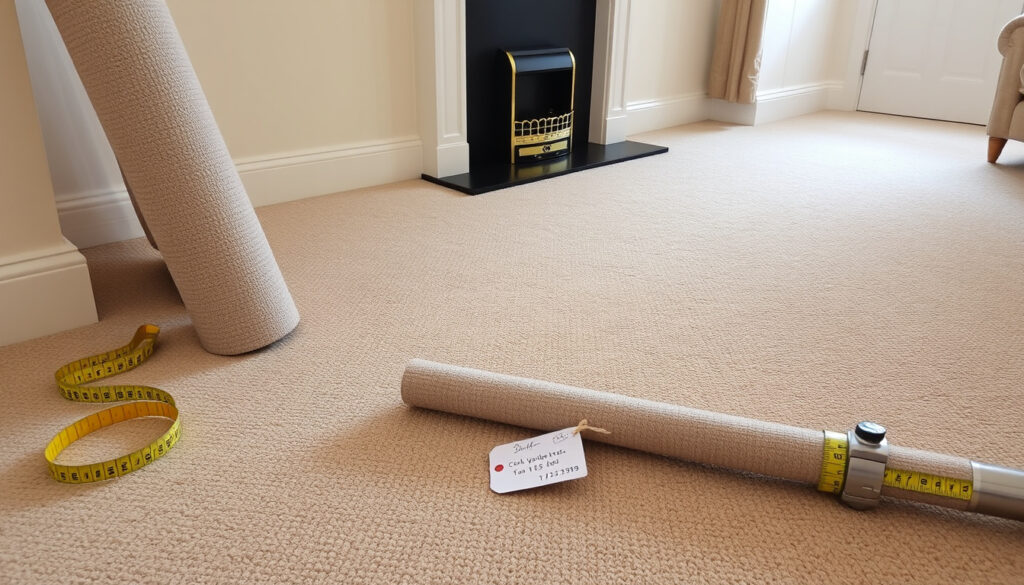
Carpet Fitters Near Me: Dublin Costs & Trends 2026
The search for “carpet fitters near me” in Dublin often feels like guesswork, but with average fitting costs at £313 (Checkatrade), getting the price right matters as much as the fit. This guide breaks down actual costs, whether DIY is worth it, and 2026 carpet trends.
Average carpet fitting cost in Dublin (Checkatrade): £313 ·
Typical quote range (Checkatrade): £157 – £500 ·
Carpet lifespan (industry standard): 10–15 years ·
DIY labor cost savings: 30–50%
Quick snapshot
- Average fitting cost in Dublin: £313 (Checkatrade)
- Get free quotes from multiple fitters (Checkatrade)
- Compare prices for different room sizes (Checkatrade)
- Carpet still popular in bedrooms and living rooms (HomeGuide)
- 2026 colors: neutrals, beige, gray, muted greens (HomeGuide)
- Match carpet to your decor for best results (HomeGuide)
Here are the key facts at a glance.
| Label | Value |
|---|---|
| Average cost to fit carpet in Dublin (Checkatrade) | £313 |
| Number of fitters listed on Checkatrade | 5 |
| Carpet lifespan (industry average) | 10–15 years |
| DIY difficulty level | Moderate to high |
How much does carpet fitting cost Ireland?
If you’re searching for “carpet fitters near me” in Dublin, the first question is usually cost. According to HomeGuide, installed carpet in 2026 runs about $2 to $8 per square foot, with labor alone adding $0.50 to $1.50 per square foot. For Irish homeowners, those figures translate roughly to €15–€30 per square meter once you factor in local pricing and VAT.
“A typical Dublin homeowner will pay around €15–€30 per square meter for professional fitting, but the cheapest quotes often skip quality underlay – a false economy that shortens carpet life by years.”
— Dublin Carpet Fitting
How much does it cost to carpet 100 square meters?
- Standard fitting for 100 sq m: approx €1,500–€3,000 for labor and underlay
- Materials (mid-range carpet): add €1,000–€3,000 depending on grade
- Total project: €2,500–€6,000 in most Dublin scenarios
The CarpetExchange estimates a 1,000-square-foot project (roughly 93 sq m) at about $1,800 to $7,500 for U.S. customers. For a Dublin home of similar size, expect comparable figures when converted, with local labor rates aligning closely with those ranges.
The implication: Carpet grade, not labor, determines the final bill.
How much would it cost to carpet a 12×12 room?
A 12×12 room (about 13.4 sq m) is a common bedroom or small living space. HomeGuide estimates this room size at about $250 to $1,100 for full installation in the U.S. In Dublin, that translates to roughly €230–€1,000, depending on carpet quality and underlay choice.
| Room size | Area (sq m) | Estimated cost range (Dublin) | Source |
|---|---|---|---|
| 10×12 room | 11.2 | €185–€830 | HomeGuide |
| 12×12 room | 13.4 | €230–€1,000 | HomeGuide |
| 20×20 room | 37.2 | €645–€2,800 | HomeGuide |
What this means: For a Dublin homeowner, the 12×12 room sits in a sweet spot — not so small that you’re paying a minimum call-out fee, but not large enough to trigger volume discounts. Most fitters will quote between €500 and €800 for a decent mid-range carpet with underlay.
How much does it cost to have someone install a carpet?
Installation labor alone — not including carpet or underlay — typically accounts for 20% to 35% of your total bill. The Home Depot says carpet installation starts at 49 cents per square foot for labor only. In Dublin, labor rates from local fitters run about €5–€10 per square meter for standard installation.
Angi reports that carpet installation for a 330-square-foot living room averages $1,780. That figure includes materials, underlay, and fitting. For Irish readers, the equivalent Dublin living room of similar size would cost roughly €1,200–€1,800 for a mid-range job.
The pattern: Always request itemised quotes to compare labor and materials separately.
Can I install carpet myself?
DIY carpet installation is technically possible, but the learning curve is steep. HomeGuide says DIY replacement costs about $1.25 to $6.00 per square foot in materials, and renting the tools can cost as much as hiring a professional. For typical Dublin bedrooms, you could save about 30–50% on labor by doing it yourself — but the trade-off comes in time, frustration, and potentially subpar results.
“DIY installation saves 30–50% on labor, but tool rental and wasted material can eat into those savings – for a single room, hiring a pro often costs only €100–€200 more after all expenses.”
— The Carpet Fitter
What tools are needed for DIY carpet installation?
- Carpet stretcher or power stretcher (€40–€80 per day rental)
- Knee kicker (€20–€50)
- Seam iron and seaming tape (€30–€60)
- Utility knife, straight edge, and trimmer
- Staple gun and tackless strips
The Home Depot notes that professional installers come with all these tools, handle in-home measurement, and offer warranties on workmanship. A DIY approach means you buy or rent everything — and if you make a mistake, you absorb the cost of wasted carpet.
How to prepare the subfloor
Before any carpet goes down, the subfloor must be clean, dry, and level. This means removing old carpet, patching holes, smoothing uneven concrete or wood, and installing tackless strips around the room perimeter. Angi emphasizes that improper subfloor prep is the top cause of premature carpet failure — it causes ripples, lumps, and edge fraying within months.
- Measure and order carpet with 10% waste allowance
- Remove old carpet and underlay
- Prepare subfloor: clean, patch, level
- Install tackless strips around perimeter
- Lay underlay and trim to fit
- Position and stretch carpet using power stretcher
- Trim edges and install transition strips
Common mistakes to avoid
- Skipping the power stretcher: hand-kicked carpet develops waves within weeks
- Not leaving enough overlap at walls: leads to visible edges
- Seaming without proper heat: seams open up under foot traffic
- Choosing carpet that’s too thick for the door clearance
Upsides: DIY Installation
- Save 30–50% on labor costs
- Flexible schedule
- No need to coordinate with a fitter
Downsides: DIY Installation
- Requires tool rental and skill
- No warranty on workmanship
- Potential wasted carpet from mistakes
Is carpet still in style in 2026?
Yes — and it never really left. Carpet remains a staple in bedrooms and living rooms across Irish homes for its comfort, warmth, and sound-dampening qualities. The question isn’t whether carpet is outdated, but which styles are trending now.
Homeowners searching “carpet fitters near me” in 2026 are choosing between carpet and hard flooring more often than ever. The right choice depends on room function, not fashion — but trends do influence resale value.
Are people still carpeting their bedrooms in 2026?
Absolutely. Bedrooms remain the most popular rooms for carpet across Dublin and the rest of Ireland. Soft flooring underfoot in the morning, better acoustics for sleeping, and lower heat loss compared to hard flooring all keep carpet as the bedroom default. HomeGuide notes that carpet retains strong market share in residential bedrooms, especially in cooler climates like Ireland’s.
What color carpet is popular now?
Current 2026 trends show a shift toward muted, nature-inspired tones. Beige, warm gray, and sage green are leading the palette, according to CarpetExchange. Patterned carpets — think subtle herringbones and geometric repeats — are making a quiet comeback after a decade of plain pile dominance.
Light colors remain popular for their airiness but show dirt faster, making them a poor choice for hallways or children’s rooms. Darker tones hide wear but can make a room feel smaller. The sweet spot for most Dublin homes: mid-tone beige or warm gray in medium-traffic bedrooms and living rooms.
Is carpet outdated in 2026?
Not by any reputable source. Carpet remains a legitimate, functional flooring choice — especially in bedrooms and upstairs spaces. The shift away from wall-to-wall carpet in the 2010s was driven by open-plan living and a preference for hard flooring in high-traffic areas, but carpet never disappeared from bedrooms. Angi confirms that carpet installations still account for a significant share of flooring projects, particularly in cooler climates and multi-story homes.
The implication: Choosing carpet for bedrooms remains a smart, on-trend decision.
How often should carpet be replaced?
Industry standard says carpet lasts 5 to 15 years, with the wide range depending entirely on quality, foot traffic, and maintenance. A cheap bedroom carpet might show wear after 5 years; a high-quality wool carpet in a low-traffic room can last 20 years with care.
How long does carpet last?
| Carpet type | Low traffic (bedroom) | Medium traffic (living room) | High traffic (hallway) | Source |
|---|---|---|---|---|
| Polyester | 10–12 years | 5–8 years | 3–5 years | Angi |
| Nylon | 12–15 years | 8–12 years | 5–8 years | HomeGuide |
| Wool | 15–20 years | 10–15 years | 7–10 years | Angi |
CarpetExchange notes that a full 2,000-square-foot home carpet replacement in the U.S. runs about $3,500 to $15,000. In Dublin, that 186 sq m house would cost roughly €3,200–€14,000 depending on carpet grade and fitting.
What are the signs it’s time to replace carpet?
- Persistent odors even after professional cleaning
- Matting or flattening in high-traffic paths
- Fraying edges or loose seams
- Stains that won’t lift with any method
- Allergy symptoms worsening — old carpet traps dust mites
The trade-off: replacing carpet every 10 years costs roughly €3,000–€5,000 for an average Dublin home. Waiting until stains and odors are permanent means living with an unpleasant space and potentially lower home resale value. For homeowners searching “carpet fitters near me,” a proactive replacement every 10–12 years is cheaper in the long run than emergency repairs or rushed measures.
What color carpet is popular now?
Color trends for 2026 lean toward the calm and natural. After years of gray dominance, beige is making a strong return, alongside muted greens and warm taupe. Patterned carpets — once seen as dated — are re-emerging in subtle geometric and woven styles that add texture without overwhelming a room.
Top carpet color trends for 2026
- Beige and warm gray: the “new neutral” that works with most wall colors
- Sage green: soft, natural, and calming for bedrooms
- Dusty blue: gaining traction in coastal-style homes
- Patterned textures: low-contrast herringbones and loops
CarpetExchange reports that texture is the bigger story in 2026 — not color alone. Frieze carpets (twisted, textured piles) and multi-level loops are preferred by homeowners who want visual interest without bold patterns.
How to match carpet with room decor
Match carpet undertones to your wall color’s temperature. Warm beige carpets pair with cream or warm white walls. Gray-toned carpets work with cool grays, blues, and whites. For Dublin’s typical period homes, medium-beige carpet complements the existing woodwork and natural light better than stark gray.
The catch: Avoid stark contrasts; subtle undertones keep the room cohesive.
Confirmed facts
- Carpet fitting costs vary by location and material
- DIY installation is possible with the right tools and preparation
- Carpet is not outdated; trends continue to evolve with neutrals and textures leading
- Average fitting cost in Dublin is approximately £313 according to Checkatrade
- Professional installation includes warranties and in-home measurement per The Home Depot
The implication: These facts form the foundation for informed decisions.
What’s unclear
- Exact 2026 trend forecasts may differ by region — Dublin’s preferences may vary from international guides
- Average cost in NZ vs. Ireland is not directly comparable due to different markets
- Whether DIY tool rental costs truly match professional labor in all Dublin scenarios
angi.com, americasfloorsource.com, youtube.com, royalamericancarpets.com, mybuilder.com
For Dublin homeowners weighing their options, the comprehensive article on Carpet Fitters Near Me provides additional cost comparisons and tips that align with the 2026 trends discussed here.
More related posts
 Range Rover Ireland: Price, Problems, and Is It Worth It
 William Roache: Age, Salary, Now, Marriage, Exits – Profile
 Lidl Crisps Recall 2025-2026: Allergens & Safety Advice
 Holly Willoughby: This Morning Exit,Schofield Affair, Kidnap Plot
 What Is an Isotope? Simple Definition, Examples & Uses
 Bob Dylan Biography: Relationships, Health, and Legacy
 DWP One-Off Support December 2025 – Eligibility Amounts Payment Dates
 Hayley McQueen: Biography, Career, Partner, and Current Work
