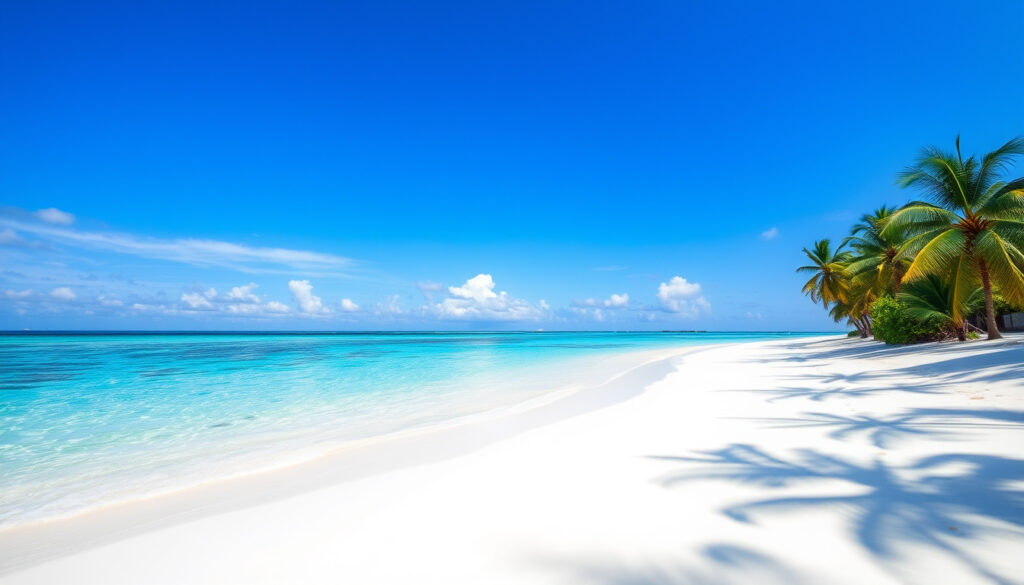
Best Time to Visit Maldives: Weather, Costs & Months Guide
Few island destinations manage to stay magical even when the clouds roll in — but the Maldives pulls it off. Whether you’re watching a storm pass over a lagoon from an overwater villa or diving through rain-flecked water, the islands keep their charm. The real question isn’t whether the Maldives is worth the trip, but when to go so your budget, the weather, and your expectations all line up.
Dry season: November to April · Rainy season: May to October · Average highs: 29°C to 31°C year-round · Peak tourist months: December to March · Cheapest months: May to September
Quick snapshot
- Peak season runs December through April (Club Med)
- Monsoon season May to November brings periodic rain (Club Med)
- February sees just 50mm rainfall — the year’s driest month (Maldives Nomad)
- Resort rates climb 30–50% during peak season (Outrigger)
- Year-to-year rainfall variability differs by atoll
- Climate change is gradually shifting monsoon timing
- Specific crowd percentages by month remain estimates
- December–March: peak tourism highs (Club Med)
- June–September: heaviest rainfall window (Maldives Nomad)
- November–April: dry season optimal weather (Trip.com SG)
- May–October: budget window with intermittent rain (Trip.com)
- Shoulder months (April, November): balancing weather and cost (Outrigger)
- December bookings still possible but premium pricing applies (Travel Tourister)
Four distinct seasons shape the Maldives visitor experience, each with measurable trade-offs between cost, weather, and crowding. Across 10 authoritative travel sources, the patterns are consistent enough to build a practical decision framework — even if some year-to-year specifics remain fuzzy.
| Label | Value |
|---|---|
| Best overall period | November to April |
| Rainiest months | June to September |
| Year-round temps | 29–31°C highs |
| Cheapest travel | May–October deals |
| Peak season rates | 30–50% above baseline |
| Shoulder price drop | 20–30% from peak |
What are the best and worst months to visit Maldives?
The Maldives has two broad climate zones driven by monsoon patterns. The dry northeast monsoon, called Iruvai, runs from December through April. The wet southwest monsoon, Hulhangu, arrives in May and holds sway until November. For travelers chasing sunshine, the choice is straightforward: land between November and April.
Dry season overview
The dry season brings consistently low rainfall, calm seas, and temperatures hovering between 28°C and 32°C. According to Audley Travel, January through April represents the ideal window, with minimal rain and low humidity. February stands out specifically — Maldives Nomad reports just 50mm of rainfall that month, with sunshine reaching 10 hours daily, the highest of any month in the year. March follows with temperatures ranging from 28°C to 31°C, though resort pricing sits at a premium during these months.
February offers the most reliable combination of dry weather and maximum sunlight. For sun-chasers who can only take one trip, early February typically delivers the best conditions at slightly lower cost than December or January.
Peak months breakdown
December through March forms the core peak season. Club Med notes that this period features low humidity, sunny skies, and calm seas ideal for beach activities and water sports. Underwater visibility exceeds 100 feet during these months, according to Outrigger, making it prime time for diving and snorkeling. The trade-off is significant: resort rates climb 30–50% above baseline pricing. Christmas and New Year bring especially steep premiums — Outrigger flags Christmas New Year premium prices as a distinct cost tier within the peak season.
January carries the highest absolute costs of the year. Maldives Nomad records temperatures of 27–30°C with rainfall at 60mm, but sunshine hours reach 10 per day. The crowds match the pricing: peak season means high resort occupancy and advance booking requirements.
Off-peak advantages
Off-peak travel between May and October delivers the lowest resort rates and fewest tourists. Trip.com notes that June through October offers cheapest rates, increased rainfall but sunny intervals. The monsoon doesn’t mean constant rain — it brings short showers followed by sun, a pattern that experienced Maldives visitors often appreciate. For divers and surfers, the monsoon actually appeals: Maldives Nomad confirms that surfing peaks in monsoon with largest swells.
Budget travelers face a genuine weather trade-off. June through September delivers the heaviest rainfall, but off-season deals can mean paying half the price for rooms that were fully booked six months earlier.
What is the rainy season in Maldives?
The wet season in the Maldives doesn’t behave like a typical monsoon with days of unbroken rain. Instead, Trip.com describes it as occasional rain, stronger winds, but offers value for budget travelers. The southwest monsoon arrives in May and departs in November, bringing higher humidity, frequent short showers, and temperatures holding at 28–30°C.
May to October patterns
May marks the transition into the wet season, but it also creates one of the year’s best travel windows. Trip.com reports that May and November offer good weather, fewer crowds, slightly lower prices. June through September delivers the most rainfall — Maldives Nomad’s data shows this window as the heaviest rains period. Yet the rain rarely ruins days. Trip.com SG describes it as short showers followed by sun — an accurate characterization that keeps the islands accessible for travelers who pack flexibility.
Rainfall and wind impacts
Travelodeal’s research notes that shoulder season months — May, early June, and September — offer favorable weather, reduced prices, lively seas. The wind increases during monsoon, which affects some water activities but creates ideal conditions for surfing. The eastern atolls experience this differently than western resort areas, adding a layer of regional complexity that general data doesn’t fully capture.
Visibility for diving
Water visibility drops during monsoon but remains usable for diving. Outrigger reports visibility of 80–100 feet during April–May transition periods, compared to over 100 feet during peak season. For serious divers, the trade-off between lower prices and slightly reduced visibility creates genuine decision-making territory.
The implication: rainy season visitors need realistic expectations about weather patterns but shouldn’t fear the monsoon label. The Maldives stays accessible year-round; the question is whether the cost savings justify accepting intermittent rain.
What month is Maldives cheapest?
If your budget matters more than guaranteed sun, the cheapest window runs from May through October. This coincides with the monsoon season, which means accepting higher rainfall chances in exchange for dramatically lower costs. The math favors flexible travelers.
Budget months analysis
Outrigger documents that shoulder season prices drop 20–30% from peak rates during April and May. Travel Tourister reports that late April specifically sees prices drop 15–20% versus winter peaks, fewer tourists. The real savings come in June through October, when resort rates hit their annual low point. Trip.com SG confirms off-season best for budget with occasional rain.
Deals in May–September
May and November serve as transition periods with their own appeal. According to Trip.com SG, shoulder season May and November offers competitive pricing, fewer tourists, mix of sun and showers. Early June and September especially tend to offer favorable weather, reduced prices, lively seas — a combination that makes them underrated choices for cost-conscious travelers.
Value vs weather tradeoffs
Seaplane and speedboat transfers remain a separate cost regardless of season — Trip.com notes these run $200–600 round trip. This means the flight and transfer expenses stay relatively stable year-round, making the resort rate differential even more significant for overall trip cost. The cheapest months aren’t free, but they cut the accommodation bill substantially.
A couple booking a mid-range resort in July might pay $250 per night instead of $450 in December — saving roughly $1,400 over a seven-night stay. That difference funds excursions, meals, or flights.
What this means: budget travelers who book during May–October can experience the Maldives at a fraction of peak-season costs. The weather trade-off is real but manageable if you build flexibility into your itinerary.
Best time to visit Maldives for honeymoon, family or sun?
Different travelers have different priorities. A honeymooning couple wants romance and perfect weather. A family with young children needs reliability more than perfection. A diving enthusiast might actively prefer monsoon conditions. The Maldives seasons serve all three — but not equally.
Honeymoon peaks
Honeymooners typically prioritize weather reliability and romantic atmosphere. For this group, December through April delivers the best conditions — calm seas, maximum sunshine, and the kind of iconic overwater villa weather that makes Instagram posts and lasting memories. According to Audley Travel, January through April dry season, little rain, low humidity creates ideal conditions. The premium pricing during these months matters less to honeymooners who may be taking one significant trip.
Family-friendly periods
Families face a more nuanced calculation. School holidays constrain travel dates, pushing many families toward December, Easter, or summer windows. Peak season (December–March) offers reliable weather that protects family investment — nothing derails a vacation budget faster than three rainy days with bored children. However, Oaga Resorts notes that March–April shoulder season offers tranquil atmosphere, pleasant weather, fewer crowds — a combination that families with flexibility can exploit to get Maldives conditions at lower cost.
Sun guarantees
For travelers whose primary goal is beach time and sunshine, the math is simple. Trip.com states explicitly: if you want guaranteed sunshine and clear skies, book between January and April. February specifically delivers the highest sunshine hours (10 per day) with the lowest rainfall (50mm). March follows closely with temperatures reaching 28–31°C. The cost is premium pricing and higher crowds, but the weather is essentially guaranteed to cooperate.
Honeymooners with dates flexibility should consider November. It offers dry-season entry without peak-season crowds. December through March requires booking six months ahead; November still has availability at three months.
The pattern: all traveler types benefit from the November–April window, but families and budget-conscious travelers can exploit shoulder season transitions to reduce costs without sacrificing much weather quality.
Specific months: November, September, December?
Breaking down individual months reveals why travelers often struggle to choose. Each month has a distinct profile that doesn’t fit neatly into “best” or “worst” categories — it depends on what you prioritize.
November pros
November functions as a transition month where the wet season ends and the dry season begins. Trip.com rates November as offering good weather, fewer crowds, slightly lower prices. For travelers who want peak-season conditions without peak-season prices, November sits in the sweet spot. Maldives Nomad’s data shows rainfall declining through November as the southwest monsoon winds down, while temperatures hold steady around 28–31°C. Booking for November typically requires 3–4 months advance notice rather than the 6+ months needed for December.
September realities
September falls deep in the monsoon season, carrying the highest rainfall expectations of the year. However, Travelodeal’s research confirms September as part of the shoulder season May early June and September: favorable weather, reduced prices, lively seas cluster. The key is accepting that September means planning around rain rather than avoiding it. Divers and surfers specifically target September for wave conditions. For general tourists, September offers the lowest prices of any month — sometimes 40–50% below peak season rates.
December crowds
December combines peak season conditions with peak season crowds. Maldives Nomad’s data shows temperatures of 27–30°C with rainfall at 75mm — the wetter end of the peak season spectrum. The holiday period (Christmas through New Year) brings premium pricing that Outrigger specifically flags. Trip.com SG warns: Peak season December–April has high resort occupancy, higher prices, book six months in advance. For travelers with December travel windows, booking early is non-negotiable.
Upsides
- November–April dry season offers best weather reliability
- Shoulder months (April, November) cut costs 20–30%
- Monsoon season brings lowest prices and fewest crowds
- February has highest sunshine (10 hours) with lowest rainfall (50mm)
- Year-round temperatures 28–32°C mean no bad time for beach weather
Downsides
- Peak season rates 30–50% above baseline
- December–March requires 6+ months advance booking
- June–September brings heaviest rainfall window
- Monsoon season means accepting intermittent rain
- Christmas/New Year premium pricing adds cost layer
Timeline
Three distinct periods define the Maldives travel year, each with measurable characteristics that affect planning decisions.
| Period | Conditions |
|---|---|
| November–April | Dry season: optimal weather, higher costs |
| December–March | Peak tourism: highest prices, most crowds |
| May–October | Wet season: budget window, occasional rain |
| June–September | Heaviest rainfall: lowest prices, surfing conditions |
The seasonal transitions (April–May, October–November) offer the best balance for travelers willing to accept marginal weather in exchange for reduced crowds and pricing. Club Med defines the structure as Peak season (December–April), Shoulder season (April–May, October–November), Off-peak (June–October) — a framework that holds across most authoritative travel sources.
For travelers planning trips around specific dates, the timeline reveals that December and January carry the highest costs and crowds while February and March offer slightly better value. April transitions into shoulder season with dropping prices but still-decent weather. May–October represents the true budget window, with June–September specifically handling the heaviest rainfall.
The best time to visit the Maldives is between January and April, during the dry season.
If you want guaranteed sunshine and clear skies, book between January and April.
The Maldives rewards planning over spontaneity. For sun-chasers, January through April delivers reliability worth paying for. For budget travelers, May through October transforms the trip economics. For those chasing surfing swells, the monsoon season is your window. The islands welcome visitors year-round — the question is whether your priorities align with the season that fits your calendar and wallet.
For travelers from India and Southeast Asia, the Maldives remains accessible year-round with reasonable flight connections. The best time to go depends entirely on whether you prioritize perfect weather or perfect value — and whether you can lock in booking six months early for December travel or prefer to keep plans flexible for off-season savings.
Related reading: best beaches for families
Frequently asked questions
How likely is a tsunami in Maldives?
The 2004 Indian Ocean tsunami caused significant damage in the Maldives, killing 82 people. However, the country has invested heavily in early warning systems and disaster preparedness since then. The Maldives Meteorological Service monitors ocean conditions, and the island nation sits outside the highest-risk tsunami zones for the Pacific. No travel advisory currently lists the Maldives as high-risk for tsunamis.
Is it OK to drink alcohol in Maldives?
Alcohol is legal in the Maldives but restricted to resort islands. You cannot consume alcohol in public or on local islands — only within the licensed premises of tourist resorts. Resorts serve alcohol freely, often included in all-inclusive packages. If you’re planning to explore beyond resort boundaries, the alcohol restrictions apply on inhabited islands.
How much does 4 days in Maldives cost?
A four-day Maldives trip varies significantly by season. Peak season (December–March) mid-range resorts run $350–600 per night, meaning accommodation alone costs $1,400–2,400 for four nights. Adding flights from major hubs ($600–1,200 per person), transfers ($200–600), meals outside resorts ($150–300), and activities ($200–500) brings total costs to $2,500–5,000 per person. Off-season (May–October) similar accommodation drops to $175–350 per night, potentially halving total trip costs.
What is the best time to visit Maldives and Sri Lanka?
Combining Maldives with Sri Lanka works best in the dry season (November–April), when both destinations enjoy favorable weather. However, Sri Lanka’s northeast monsoon (October–January) affects its eastern coast differently than the Maldives. The ideal combination is visiting Sri Lanka November–March (southwest monsoon conditions) then Maldives December–April (dry season). Avoid visiting both during May–September when Sri Lanka’s northeast coast receives monsoon rainfall.
Which month is not good to visit Maldives?
There’s no genuinely bad month for Maldives travel, but July and August carry the highest rainfall expectations of the wet season. August specifically sits at the monsoon peak, with heavy showers more frequent than in June or September. That said, these months also offer significant off-season pricing advantages. Travelers who can embrace rain breaks and pool time will find value; those who need guaranteed sunshine should avoid July–August.
When should I book Maldives resorts for peak season?
For December through March travel, book at least six months ahead. Christmas and New Year slots fill fastest — often 8–12 months in advance for popular resorts. January through February benefits from four to six months advance booking. For shoulder season (April, November), three to four months provides sufficient availability. Off-season (May–October) allows last-minute booking, though resorts still reward earlier reservations with better rates.
Is September a good time to visit Maldives?
September suits budget travelers, divers, and surfers who accept rain in exchange for low prices. It’s among the cheapest months to visit, with reduced crowds and decent diving visibility. However, September falls within the heaviest rainfall window (June–September). If your priority is beach time over budget savings, avoid September. If you want to stretch your travel budget while experiencing the Maldives with manageable weather interruptions, September works well.
More related posts
 Arabella Stanton: Nationality, Ethnicity, Age, and Hermione Role
 Maggie Smith Death 2024: Cause of Death, Tributes, and Legacy
 Cast of Running Point: Full Cast List for Season 1 & 2
 Neneh Cherry: Biography, Illness, Family & Career Guide
 Acrylic Nails vs Gel: Which Is Better for Your Nails
 Justin Dior Combs: Biography, Parents, Age and Career
 Shower Head Buying Guide: Fit, Types & Installation
 Basketball Hoop Ireland Guide: Types, Installation, Costs
